



What's New

The Wood Stove Industry Tried to Silence a Health Campaign — and Lost
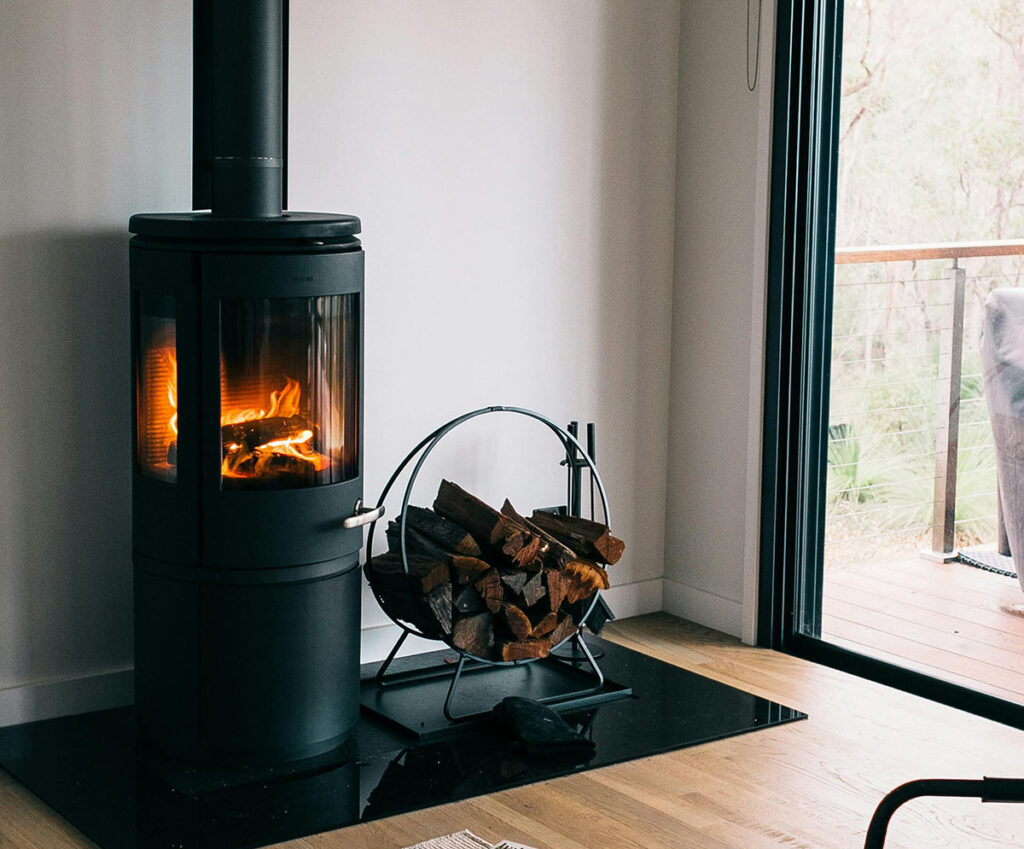
Wood burning in a modern wood stove next to a firewood rack and a sliding glass door.

In The Netherlands, a consumer education organization, Milieu Centraal (“Environment Central”), created a public service campaign about the hazards of wood burning. 

Not surprisingly, the wood stove industry was not pleased, being concerned that the campaign from the nonprofit group might have a detrimental effect on sales of the industry’s products and services. So the industry’s trade organization, the Dutch Fireplaces and Stoves Association, attempted to stop the educational campaign by filing a complaint with The Netherlands’ Advertising Code Committee.

The industry’s scheme did not turn out so well for them.

The industry association attempted to argue that the public service campaign was misleading “in many respects.” They tried to argue that new eco-certified wood stoves were a clean alternative. But the regulator rejected these arguments, finding that the nonprofit’s claims about the hazards of wood stoves were not misleading. 

They stated that it is a fact that even the “best” eco-certified wood stoves emit fine particle pollution, and that there is no threshold under which particle pollution is not a risk to health.

The industry did not want Milieu Centraal to be able to compare wood smoke to cigarette smoke. The Advertising Code Committee once again sided with the consumer education organization on that point. They found it is not misleading, “but serves to clarify the message that exposure to relatively small amounts of smoke can also be harmful.”

The industry also objected to the statement that 23% of PM2.5 emissions in The Netherlands comes from wood heating. But the data Milieu Centraal used was found to be factual.

At the end of the day, the Advertising Code Committee allowed the public service campaign to continue.

The ruling is a clear win for transparency and public health. It also sends a message to the wood heating industry: environmental claims must align with data, not marketing.

The Dutch industry has been on the losing end of other judgments before. Milieu Centraal pointed out during the decision-making process that the Advertising Code Committee and its appellate body, the Board of Appeals, “have judged many times in their rulings” that “wood stoves are not sustainable or clean.” 

For policymakers, this highlights an urgent need to address residential wood burning in clean air strategies. And for households, it’s a reminder that even the “cleanest” wood stove carries a hidden cost — the air we breathe.
More Evidence Links Wood Smoke Pollution to Dementia

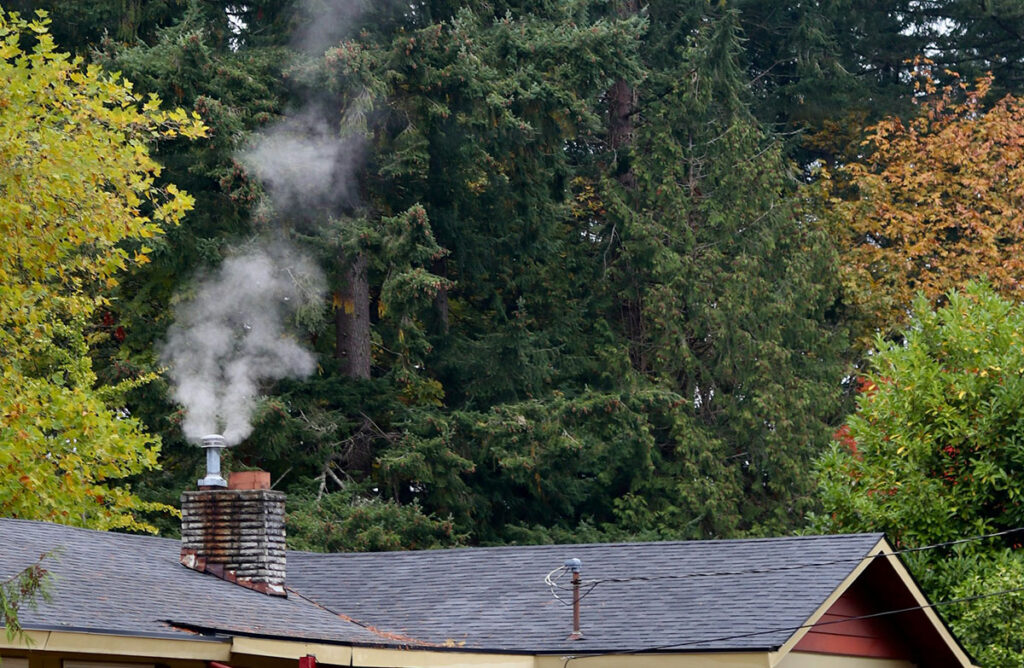
A roofline view of a house’s chimney emitting smoke, with trees in the background.

An alarming new study has added even more reason to be concerned about wood smoke.

For some time, evidence has been mounting that fine particle pollution is linked to increased risk of dementia. This latest study, which was published in Science, has made this connection even more conclusive.

Wood burning is one of the largest sources of fine particle pollution.

According to coverage in The Guardian, researchers found that exposure to fine particle pollution causes proteins in the brain to misfold into the “toxic clumps” that appear in people with Lewy body dementia.

Lewy body dementia, or LBD, is a serious degenerative neurological disorder. Abnormal clumps of protein, which are known as Lewy bodies, build up in regions of the brain that affect thinking, memory, and movement. 

People with LBD experience memory loss, confusion, hallucinations, intense sleepiness, and other cognitive symptoms that get worse over time, as well as muscle rigidity, difficulty moving, and tremors.

In the latest study, researchers analyzed the hospital records of over 56 million Medicare patients over a 14 year period. They found that those who were hospitalized for the first time with Lewy body dementia lived in areas with higher levels of PM2.5 (fine particle pollution). 

To further confirm this link, the research team also conducted studies with mice. According to The Guardian, “the results were striking.” Normal mice that were exposed to PM2.5 every other day for 10 months had nerve cells die off, leading to brain shrinkage and cognitive decline. Further mouse studies showed that PM2.5 “drove the formation of aggressive, resilient and toxic clumps” of the protein that resembles Lewy bodies in people.

This latest study adds to countless previous studies that have linked PM2.5 exposure to dementia. One previous study looked specifically at the effects of PM2.5 from wood burning and found that people who live in neighborhoods where more people heat with wood are more likely to develop dementia.

At this point, many leading researchers believe the evidence is conclusive. Caleb Finch, the leader of USC’s Air Pollution and Brain Disease Research Network stated, “I have no hesitation whatsoever to say that air pollution causes dementia.”

The science is clear: If you or your neighbors burn wood, you are at increased risk of developing dementia.

Wood Smoke is Hazardous to Your Children’s Health

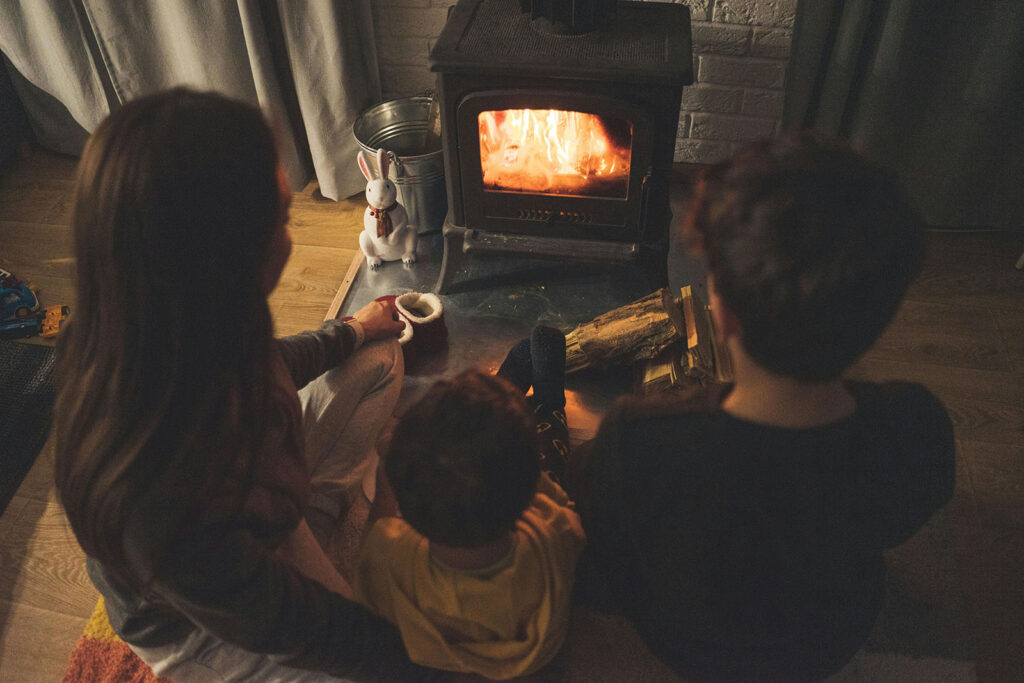
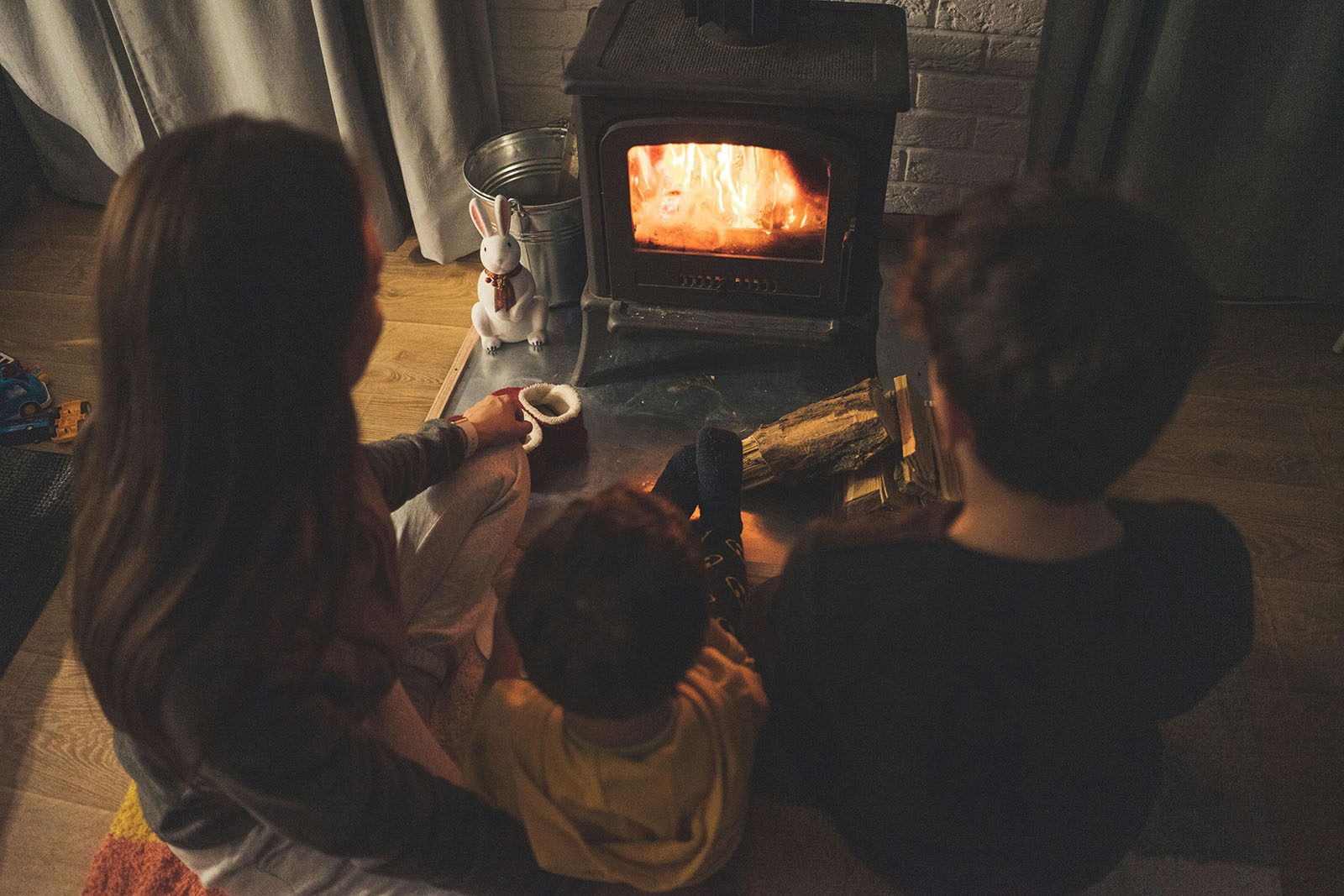
A woman and two children sit in front of a lit wood stove.

Earlier this year, an international group of health experts declared that more needs to be done to protect children from the harmful effects of secondhand cigarette smoke.

Which begs the question: what about wood smoke?

Wood smoke is similar to tobacco smoke—and just like secondhand cigarette smoke, it also harms children.

Wood smoke and tobacco smoke share most of the same toxins and carcinogens including fine and ultrafine particulate matter, polycyclic aromatic hydrocarbons, benzene, formaldehyde, and dioxins. 

In fact, there is evidence that wood smoke is even more toxic than cigarette smoke. In laboratory studies, it’s been shown to be as much as 30 times more potent at inducing cancerous tumors as tobacco smoke. 

Yet people who would never deliberately expose their children to secondhand cigarette smoke ignore the hazards from lighting up a wood stove or backyard fire pit and exposing their children—and their neighbors’ children—to the wood smoke pollution.

Scientific researchers have known for decades that wood smoke harms children. For example, forty years ago researchers found that children living in homes with wood stoves were more likely to have severe respiratory symptoms

Another study published over 30 years ago linked childhood asthma symptoms with pollution from wood burning. The researchers pointed out that “wood smoke resembles environmental tobacco smoke.”

In more recent years, a study in New Zealand estimated that removing just one wood stove per hectare (2.47 acres) could prevent emergency room visits for 9,000 New Zealand preschoolers each year.

These are only a few studies out of many.

Some prominent organizations are finally calling for action. Last year, the United Kingdom’s leading pediatrics organization recommended that wood stoves be phased out in populated areas in order to protect children’s health. 

The reason is simple: wood smoke is secondhand smoke. These days, no adult would deliberately blow cigarette smoke in a child’s face. So why should it be any different for wood smoke?

Modern Wood Stoves: More Broken Promises

Do modern, certified wood stoves actually solve the problem of wood smoke pollution? Recent evidence from the United Kingdom is providing further confirmation that the answer is a resounding “No.”

Our story begins in 1952, a year in which the burning of residential solid fuels helped cause the “Great Smog,” an air pollution episode so severe that an estimated 4,000 people died in a matter of days. As a result, the first Clean Air Act was enacted in 1956, which established Smoke Control Areas that virtually prohibited wood burning in most larger towns and cities. Air pollution from solid fuel burning plummeted. 

The story would have ended happily at this point had the wood stove industry not endeavored to find a way around the prohibition on wood burning by touting the wonders of new wood stoves that promised to allow people to burn wood without all that pesky pollution. The updated Clean Air Act of 1993 allowed “DEFRA-approved” wood stoves to be used in Smoke Control Areas. (These stoves use similar “technology” to EPA-certified wood stoves in the United States.)

In 2008, the wood stove industry formed a trade group, the Stove Industry Alliance (SIA). Fueled by the industry’s marketing and public relations efforts, wood stoves became trendy and sales proceeded to take off. In 2003, 500,000 UK households had a wood stove. By 2016, this figure had risen to 1,700,000, and has continued to rise.

Unfortunately, the industry’s promises of greatly reduced air pollution from these new miracle stoves proved to be hollow: wood burning is now the UK’s largest source of deadly PM2.5 pollution.

People who had gone decades—or even their entire lives—having never experienced wood smoke pollution have now found themselves living in a miasma of wood smoke. They’ve noticed the change, and they aren’t happy about it.

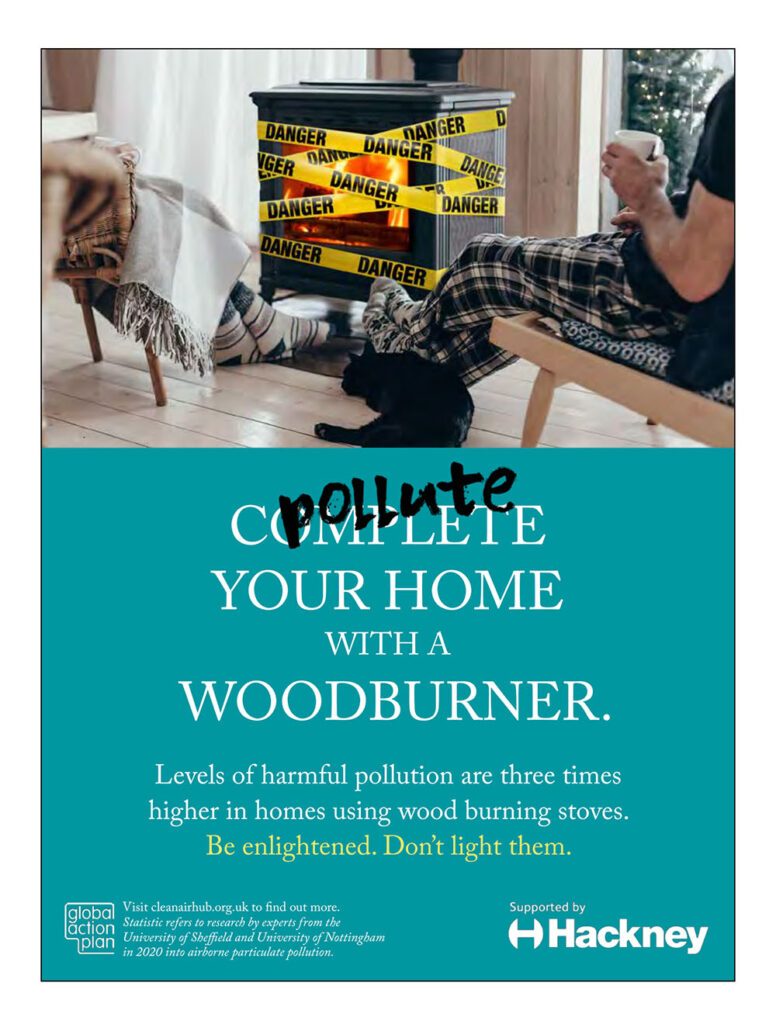
Wood stoves and their emissions get regular coverage in the UK’s mainstream newspapers. The group Mums for Lungs has been campaigning against wood burning. Recently, the organization Global Action Plan created “Clean Air Night,” an awareness event to educate the public about wood smoke pollution.

A story on the Doctors and Scientists Against Wood Smoke Pollution website sums up the situation:

We lived smoke-free in our home until 2015 when “trendy” stoves were installed in fully insulated, centrally heated homes. Now the air is full of woodsmoke most evenings and every weekend September to May.”

DEFRA-approved wood stoves were supposed to improve air quality—not make it dramatically worse.

The situation has become so dire that members of the UK medical establishment have felt it necessary to weigh in. In August, more than 100 senior doctors sent a letter to Prime Minister Keir Starmer urging the government to take action on wood stoves.

The following month, the Royal College of Pediatrics and Child Health (RCPCH) released a position statement of their own recommending that wood stoves be phased out in urban areas and that rural residents receive assistance to switch away from wood heating in order to protect the health of children. 

The wood stove industry has spent millions on lobbying, advertising, and public relations intended to make us believe that newer certified wood stoves burn like magic, with virtually no air pollution. 

Real-world evidence from around the globe continues to tell us otherwise.

Certified Wood Stove Performance in the Real World Continues to Disappoint

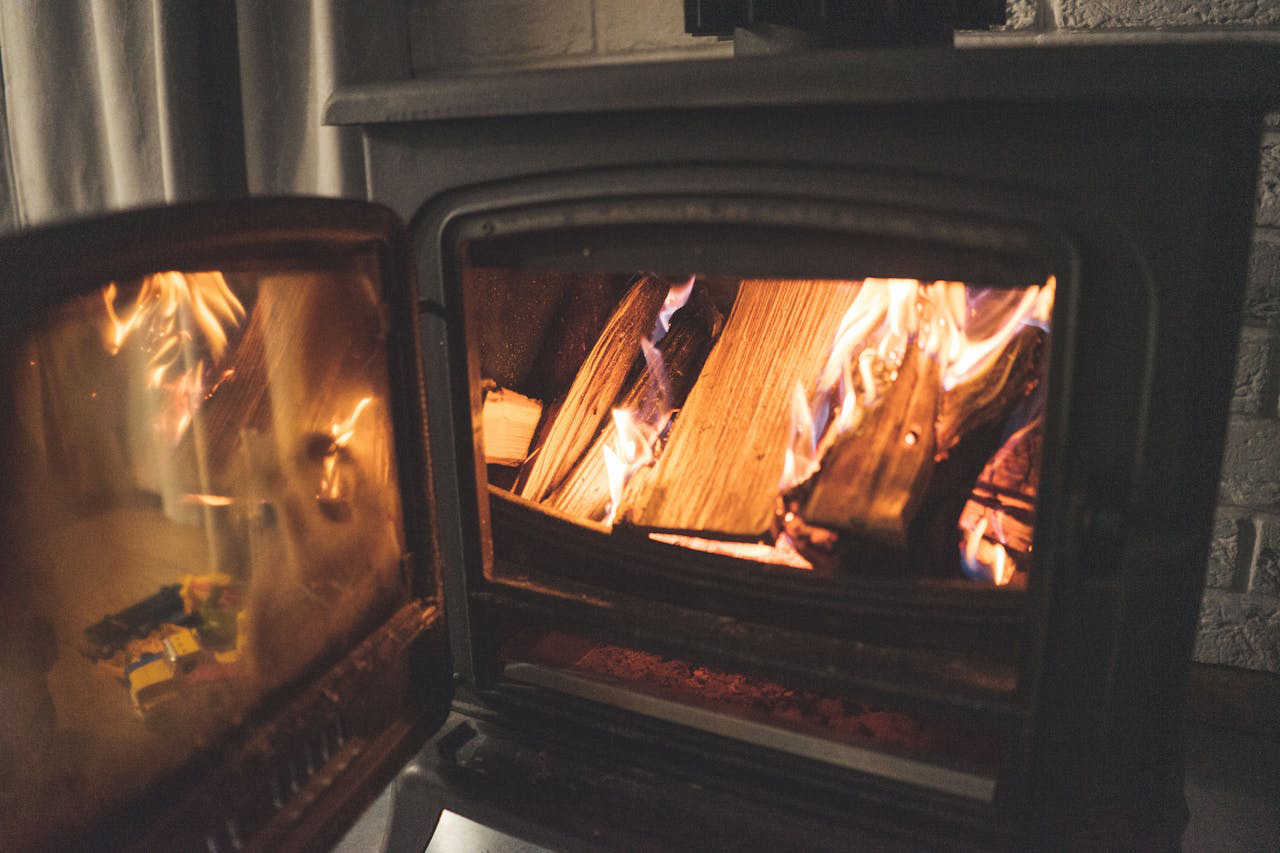
A closeup view of the interior of a lit modern wood stove.

For decades, the wood stove industry has tried to convince consumers and regulators that changing out older wood stoves for new certified wood stoves will reduce hazardous wood smoke pollution.

Unfortunately, much like the tobacco industry’s claims about low-tar cigarettes, things haven’t played out as promised in the real world. The latest evidence comes from New Zealand.

There, multiple towns in the region of Otago went so far as requiring that all wood stoves with a certified emission rate greater than 1.5 g/kg had to be removed by January 2012. Since then, all new installed wood stoves have been required to be “ultra low emission wood burners” with a certified emission rate of less than 0.7 g/kg.

Despite this effort, these towns continue to have serious air quality problems due to wood burning.

It’s just one more example in a long history of disappointing wood smoke reduction efforts that have focused on certified wood stove changeout programs and “better” burning practices.

The problem is that even when used in ideal, carefully controlled laboratory conditions with perfectly sized and perfectly dried pieces of wood, modern certified wood stoves are far more polluting than most people think they are.

For example, the European Environmental Bureau and Green Transition Denmark found that, per unit of energy produced, a perfectly used modern European “Eco-certified” wood stove burning dry wood emits as much fine particle (PM2.5) pollution as 750 modern diesel trucks.

Here in the U.S., a scathing 2021 report by the Northeast States for Coordinated Air Use Management (NESCAUM) detailed problems with the EPA’s wood stove certification program, which they described as “dysfunctional.” They found there’s no guarantee that new certified wood stoves are any cleaner than the ones they replace.

In 2023, the EPA’s Office of Inspector General issued the findings of their own investigation. They concluded that the EPA’s “ineffective residential wood heater program” doesn’t protect the public from harmful wood stove emissions.

In the real world, wood stoves aren’t used in the laboratory controlled manner in which they’re tested—so their emissions are even higher.

In Libby, Montana, the wood stove industry teamed up with the U.S. EPA and the state to organize a large wood stove exchange that took place from 2005–2008. At a cost of over $2.5 million, the majority of older wood stoves in the Libby area were replaced with EPA-certified ones. Participants in the exchange were also given information on recommended burning practices with their new wood stoves.

The industry proclaimed Libby to be a great success. But was it?

After this highly publicized wood stove changeout program, wood stove emissions accounted for approximately 81% of Libby’s wintertime PM2.5 pollution—roughly the same percentage as before the exchange.

Meanwhile, over in Australia, the Office of the Commissioner for Sustainability and the Environment in the Australian Capital Territory (ACT) seems to have finally learned the lesson from all these failed wood stove changeout efforts.

In a report issued in 2023, they concluded that “even tightened standards are unlikely to reduce the smoke-related health impacts of wood heaters.” They found that the ACT’s “Burn Right Tonight” program, which has been running since 2011, may, rather than helping, be “paradoxically” encouraging people to believe that wood burning is less harmful than it actually is.

Their recommendation? To protect public health, wood stoves should be phased out.