


The Wood Stove Industry Tried to Silence a Health Campaign — and Lost
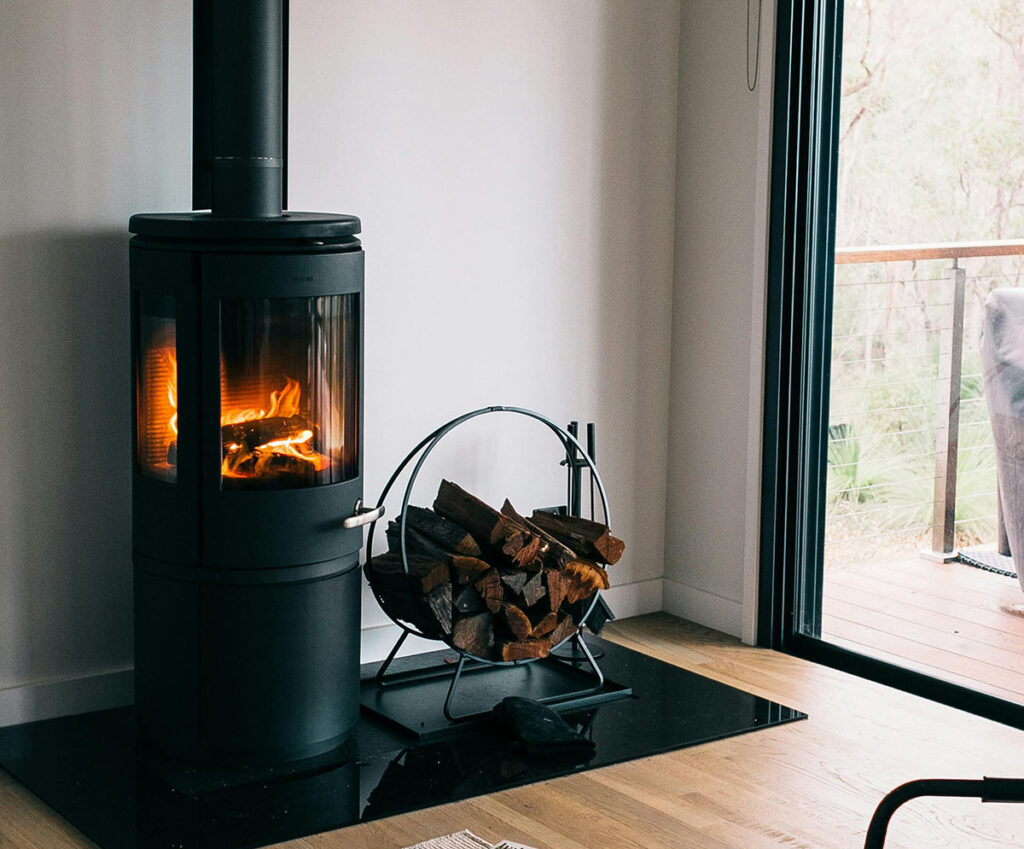
In The Netherlands, a consumer education organization, Milieu Centraal (“Environment Central”), created a public service campaign about the hazards of wood burning.
Not surprisingly, the wood stove industry was not pleased, being concerned that the campaign from the nonprofit group might have a detrimental effect on sales of the industry’s products and services. So the industry’s trade organization, the Dutch Fireplaces and Stoves Association, attempted to stop the educational campaign by filing a complaint with The Netherlands’ Advertising Code Committee.
The industry’s scheme did not turn out so well for them.
The industry association attempted to argue that the public service campaign was misleading “in many respects.” They tried to argue that new eco-certified wood stoves were a clean alternative. But the regulator rejected these arguments, finding that the nonprofit’s claims about the hazards of wood stoves were not misleading.
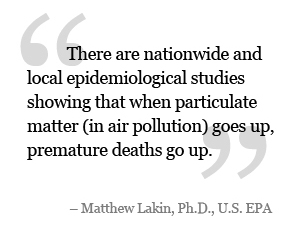
They stated that it is a fact that even the “best” eco-certified wood stoves emit fine particle pollution, and that there is no threshold under which particle pollution is not a risk to health.
The industry did not want Milieu Centraal to be able to compare wood smoke to cigarette smoke. The Advertising Code Committee once again sided with the consumer education organization on that point. They found it is not misleading, “but serves to clarify the message that exposure to relatively small amounts of smoke can also be harmful.”
The industry also objected to the statement that 23% of PM2.5 emissions in The Netherlands comes from wood heating. But the data Milieu Centraal used was found to be factual.
At the end of the day, the Advertising Code Committee allowed the public service campaign to continue.
The ruling is a clear win for transparency and public health. It also sends a message to the wood heating industry: environmental claims must align with data, not marketing.
The Dutch industry has been on the losing end of other judgments before. Milieu Centraal pointed out during the decision-making process that the Advertising Code Committee and its appellate body, the Board of Appeals, “have judged many times in their rulings” that “wood stoves are not sustainable or clean.”
For policymakers, this highlights an urgent need to address residential wood burning in clean air strategies. And for households, it’s a reminder that even the “cleanest” wood stove carries a hidden cost — the air we breathe.