


Wood Smoke is Hazardous to Your Children’s Health
Earlier this year, an international group of health experts declared that more needs to be done to protect children from the harmful effects of secondhand cigarette smoke.
Which begs the question: what about wood smoke?
Wood smoke is similar to tobacco smoke—and just like secondhand cigarette smoke, it also harms children.
Wood smoke and tobacco smoke share most of the same toxins and carcinogens including fine and ultrafine particulate matter, polycyclic aromatic hydrocarbons, benzene, formaldehyde, and dioxins.
In fact, there is evidence that wood smoke is even more toxic than cigarette smoke. In laboratory studies, it’s been shown to be as much as 30 times more potent at inducing cancerous tumors as tobacco smoke.
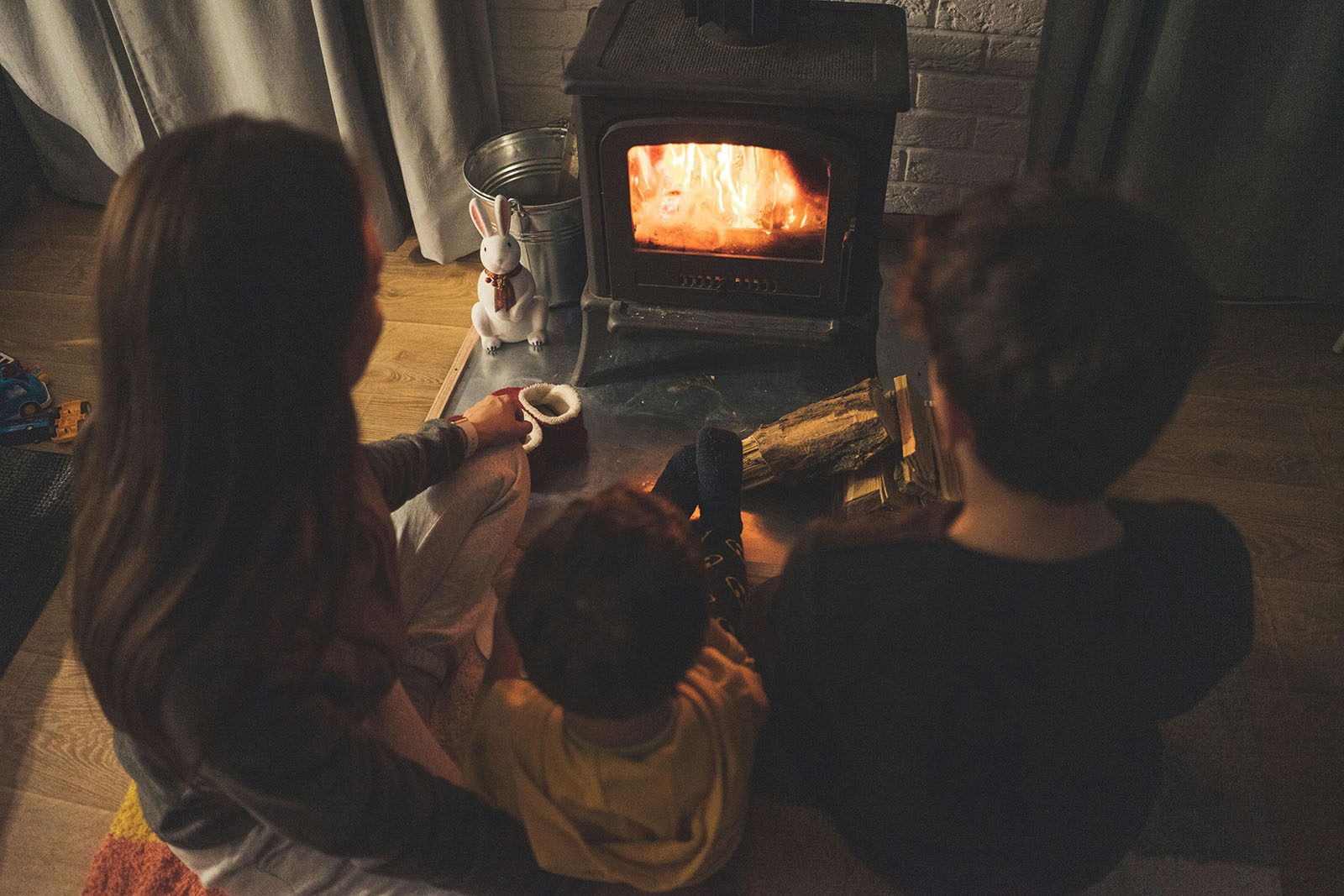
Yet people who would never deliberately expose their children to secondhand cigarette smoke ignore the hazards from lighting up a wood stove or backyard fire pit and exposing their children—and their neighbors’ children—to the wood smoke pollution.
Scientific researchers have known for decades that wood smoke harms children. For example, forty years ago researchers found that children living in homes with wood stoves were more likely to have severe respiratory symptoms.
Another study published over 30 years ago linked childhood asthma symptoms with pollution from wood burning. The researchers pointed out that “wood smoke resembles environmental tobacco smoke.”
In more recent years, a study in New Zealand estimated that removing just one wood stove per hectare (2.47 acres) could prevent emergency room visits for 9,000 New Zealand preschoolers each year.
These are only a few studies out of many.
Some prominent organizations are finally calling for action. Last year, the United Kingdom’s leading pediatrics organization recommended that wood stoves be phased out in populated areas in order to protect children’s health.
The reason is simple: wood smoke is secondhand smoke. These days, no adult would deliberately blow cigarette smoke in a child’s face. So why should it be any different for wood smoke?