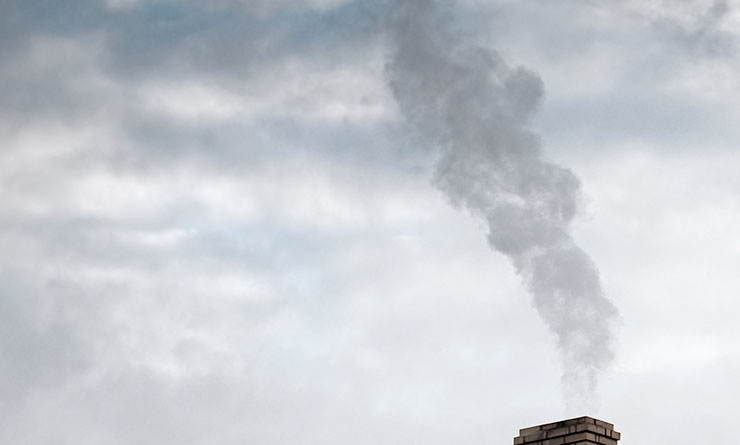


Why EPA-certified wood stoves are a problem
Many people are touting the benefits of EPA certified wood stoves.
While it is true that EPA certified wood stoves may produce less particulate air pollution than uncertified ones when new and operated according to manufacturer specifications, they produce orders of magnitude more pollution than a non-wood-burning heat source.
Also, once EPA-certified wood stoves are installed in people’s homes they can be far more polluting than their certification numbers indicate.
The EPA’s wood stove certification program is “dysfunctional” and “ineffective”
In 2021, the Northeast States for Coordinated Air Use Management (NESCAUM) issued a damning report on the EPA’s wood stove certification program. They described it as “dysfunctional,” and said that it is easily manipulated by wood stove manufacturers and testing laboratories. The report made it clear that certified wood stoves can be “high-emitting devices” that, once installed in homes, emit pollution for decades.
Following this report, the EPA’s Office of Inspector General did their own investigation and came to a similar conclusion as NESCAUM. According to the Office of Inspector General, the EPA’s wood stove certification program is “ineffective” and “puts human health and the environment at risk” from polluting wood stoves.
Wood stove performance degrades over time
In addition, the stated performance of EPA certified wood stoves degrades with use to the point where the particulate emissions are comparable to non-certified wood stoves.
Another key issue: EPA certified wood burning appliances emit levels of dioxins and furans that are equal to, or even greater, than those emitted by conventional wood burning devices.
Also, EPA-certified stoves emit more ultrafine-sized particles than older wood stoves do. These smallest particles are now thought to be particularly harmful.
There are better choices today than burning wood, such as highly efficient and clean mini-split heat pumps.
EPA-certified wood stoves references